Gait Pressure Analysis System
Read the Gait, See the Health.
Solution introduction
Using pressure sensing and gait algorithms, the system quantifies gait parameters, balance and left-right symmetry, presenting walking characteristics through data and visualizations to support functional assessment and rehabilitation training.
Gait Metrics
Pressure sensing and gait algorithms measure spatiotemporal metrics including cadence, stride length, walking speed and stance and swing phase timing, with comparisons of left-right symmetry. These measurements turn walking into comparable indicators for professional review of gait differences and changes following training.
Spatiotemporal metrics
Left-right symmetry
Before-after comparison
Balance Assessment
Center-of-pressure (COP) trajectory, sway features and loading distribution characterize balance during standing and walking. The results provide information on postural control, left-right weight distribution and stability changes to support the planning and adjustment of rehabilitation training.
COP trajectory
Postural control
Balance analysis
Pressure Visualization
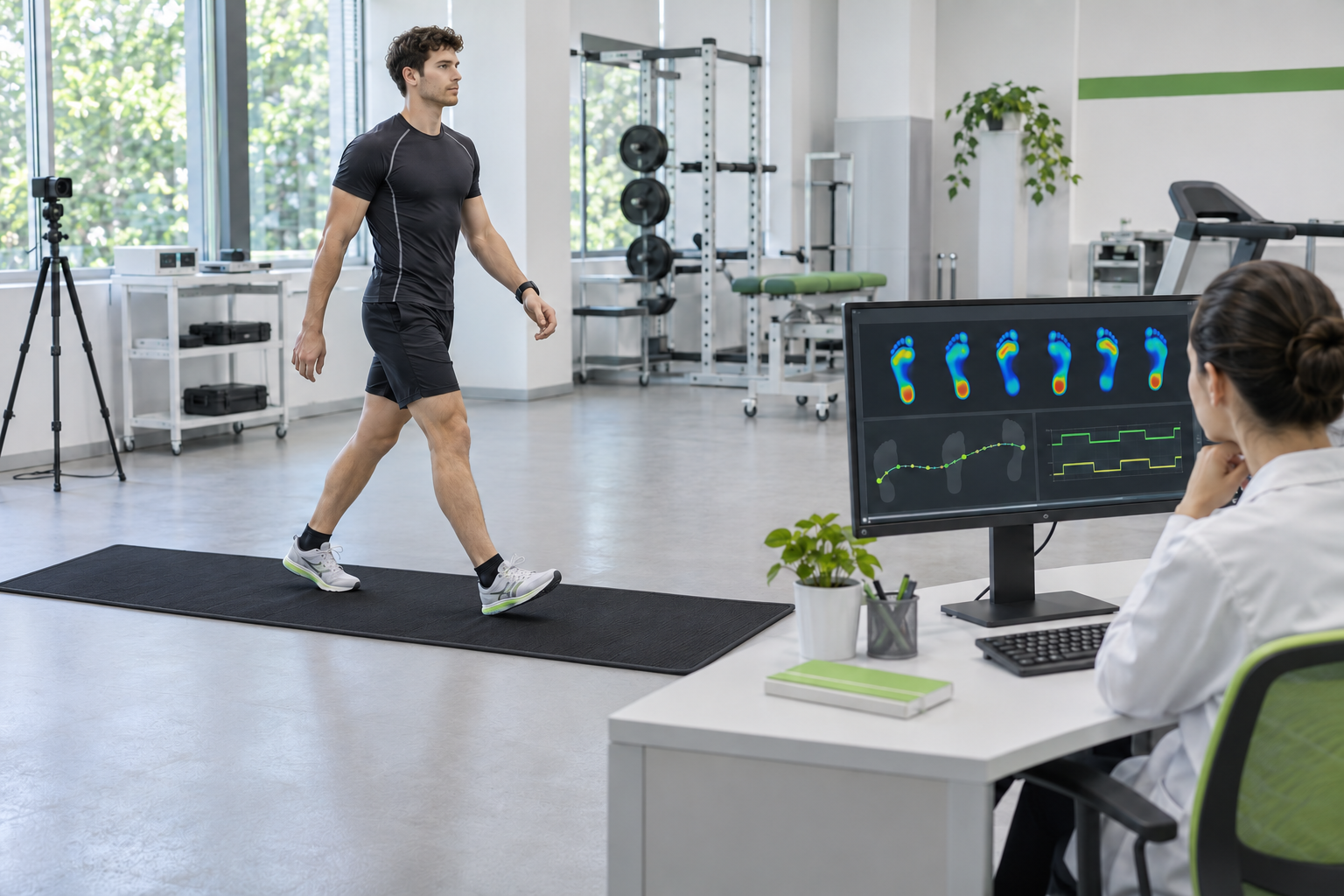
Pressure maps, trajectories and curves visualize plantar loading and gait changes, turning numerical measurements into accessible graphics. Users can review loading across walking phases and compare feet or measurement sessions, making assessment discussions and interpretation of results more straightforward.
Pressure maps
Dynamic curves
Result comparison
Data Export
Gait metrics, balance indicators and pressure analysis results can be exported as measurement data and assessment reports. Comparing results across sessions provides traceable information for rehabilitation progress tracking, training plan review and research analysis, helping build a continuous assessment record.
Data export
Assessment reports
Progress tracking
Core Value
Data-backed functional assessment.
Quantitative tracking of rehabilitation progress.
Customizes plans based on data.
Technical Advantages
Solution advantages
Accurate
Multi-dimensional data with reliable results.
Intuitive
Visual reports are easy to interpret.
Professional
Built for clinical and research settings.
Application Scenarios
Rehabilitation Gait Assessment
Cadence, walking speed and stance phase measurements enable comparisons before and after training or treatment, providing quantitative information for rehabilitation assessment.
Neurological Rehabilitation Clinics
Gait features and left-right symmetry in people with Parkinson’s disease, stroke and related conditions help professionals review walking changes and track rehabilitation progress.
Sports Laboratory Research
Quantitative gait and balance measurements across movement and training tasks provide comparable data for sports biomechanics research and training program comparisons.
Rehabilitation Device Development
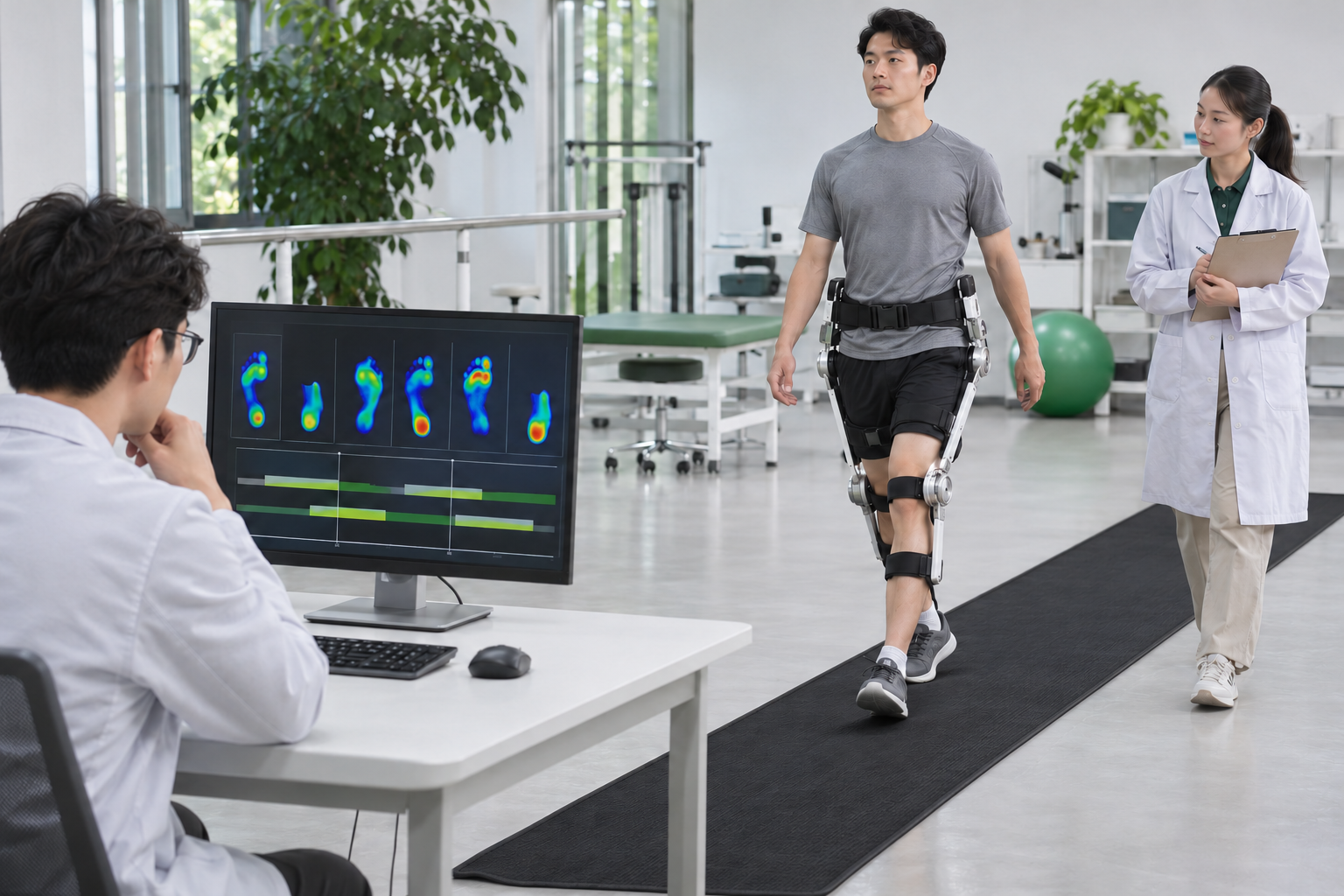
Gait and loading comparisons with and without exoskeletons or rehabilitation robots inform device adjustment and assessment of assisted walking.
Care Facility Mobility Assessment
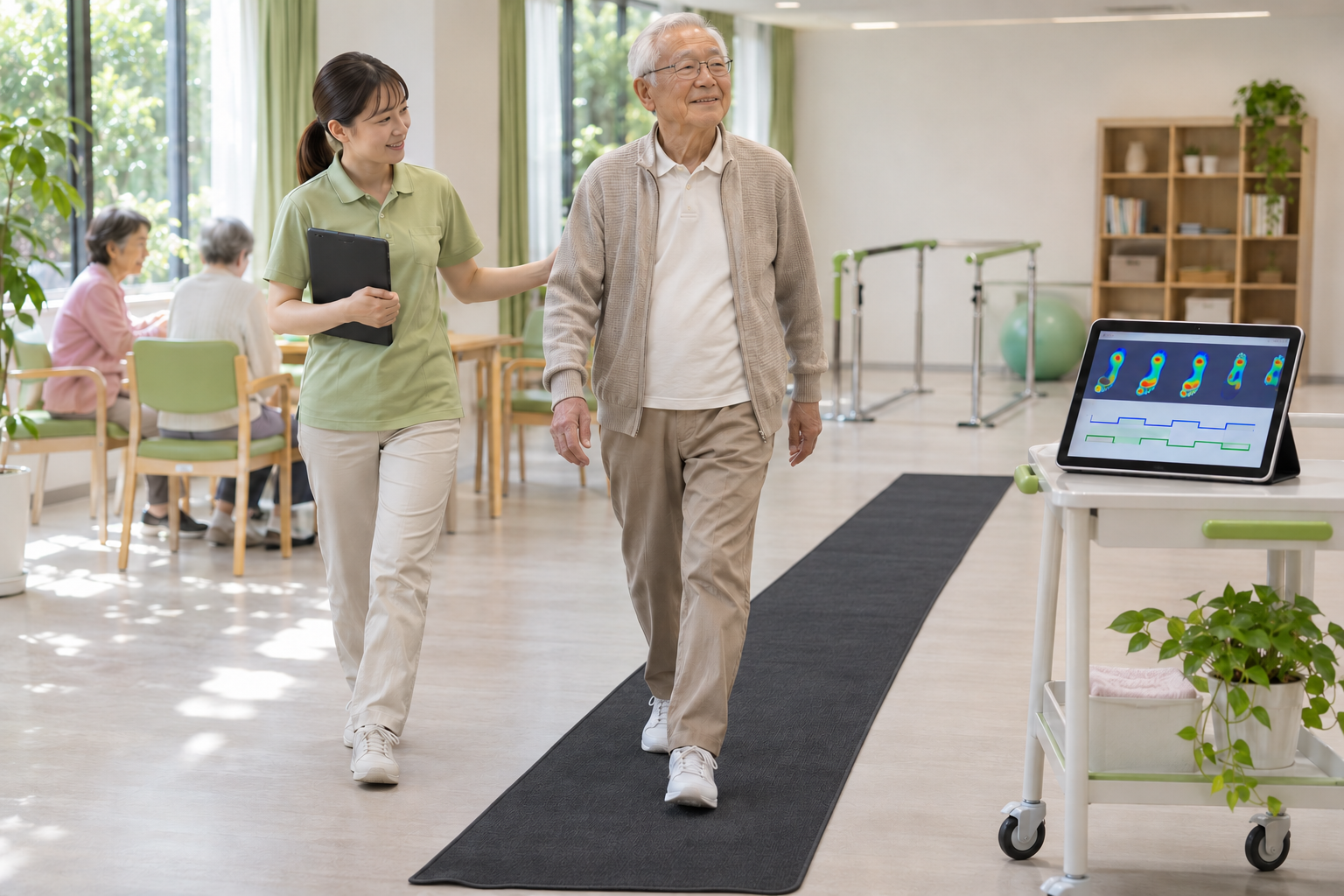
Walking characteristics, standing balance and stability measurements support mobility assessment, care planning and tracking of training outcomes in older adults.
Let's make your next product happen.
Tell us what you are building, what you need customized and where you need it delivered.