Intelligent Cockpit Pressure Sensing System (with Grip Sensing Module)
A cockpit that senses you.
Solution introduction
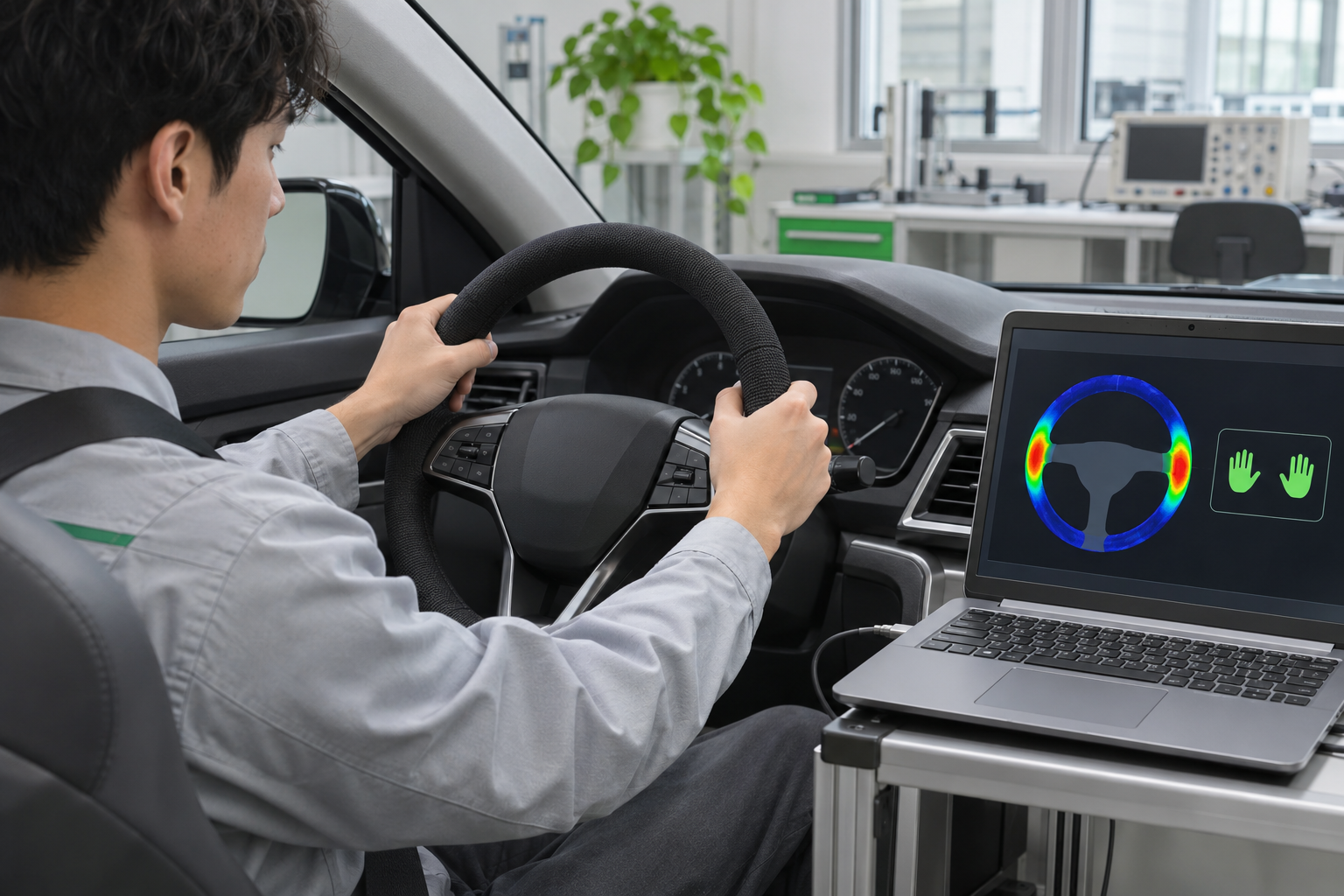
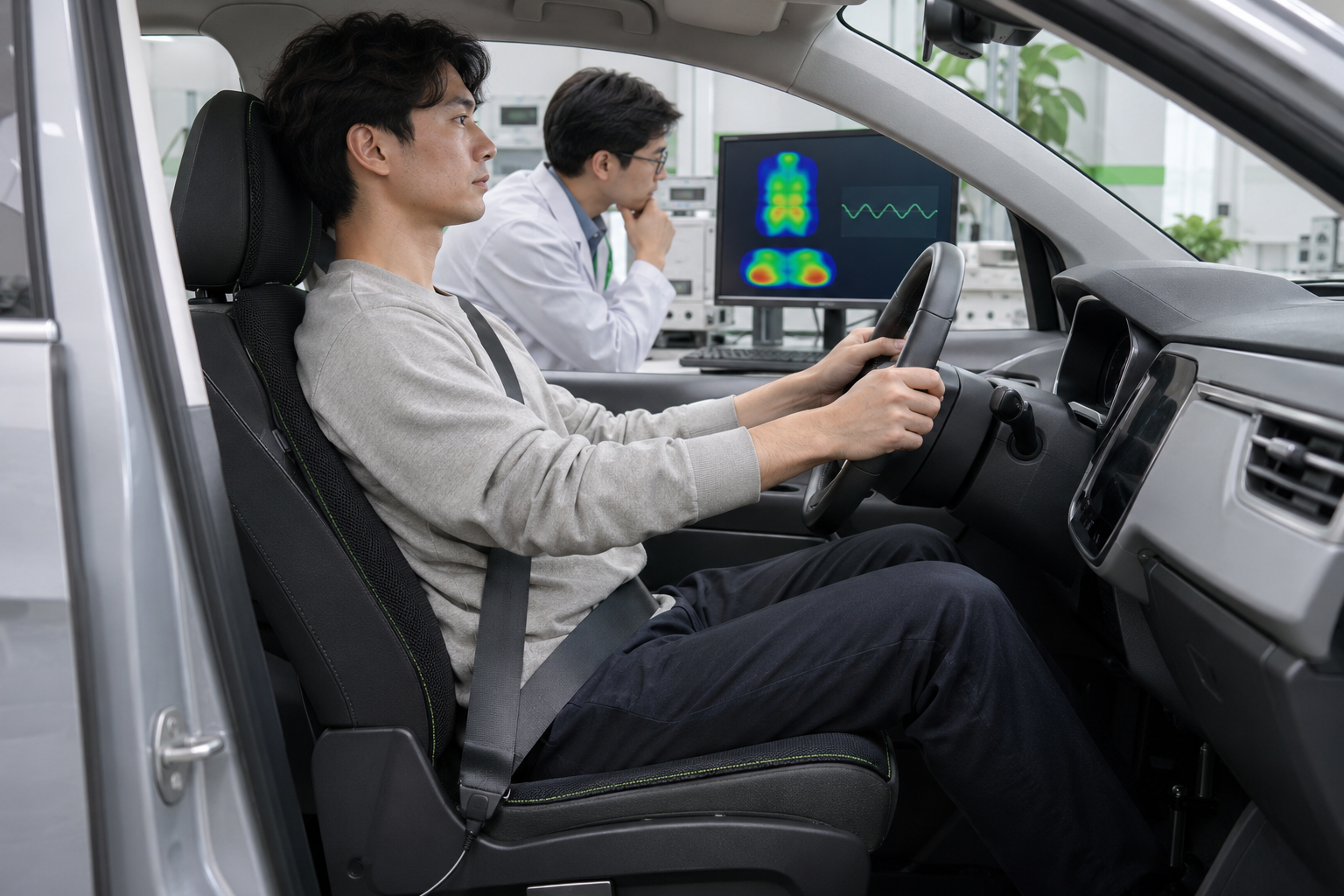
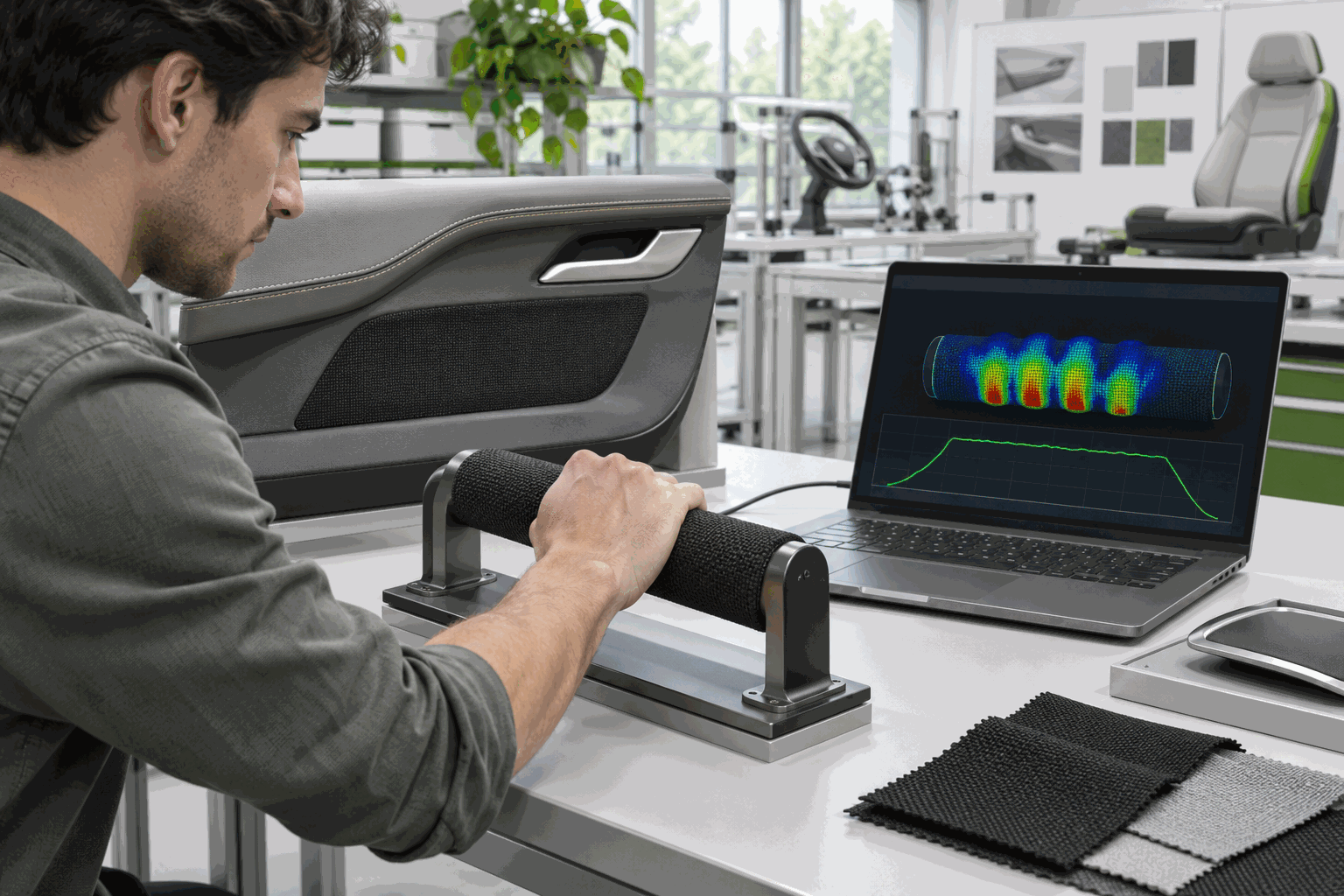
Flexible fabric pressure sensors are integrated into seats, backrests and trim as well as steering wheels and grips. They accurately sense occupant presence, posture, body type and vital signs for occupancy detection, sitting posture recognition and poor-posture alerts, fatigue alerts and adaptive adjustment, while identifying hand position, grip force and hands-on/off status for hands-on/off detection (HOD) and tactile interaction, preserving ventilation, comfort, styling and heating.
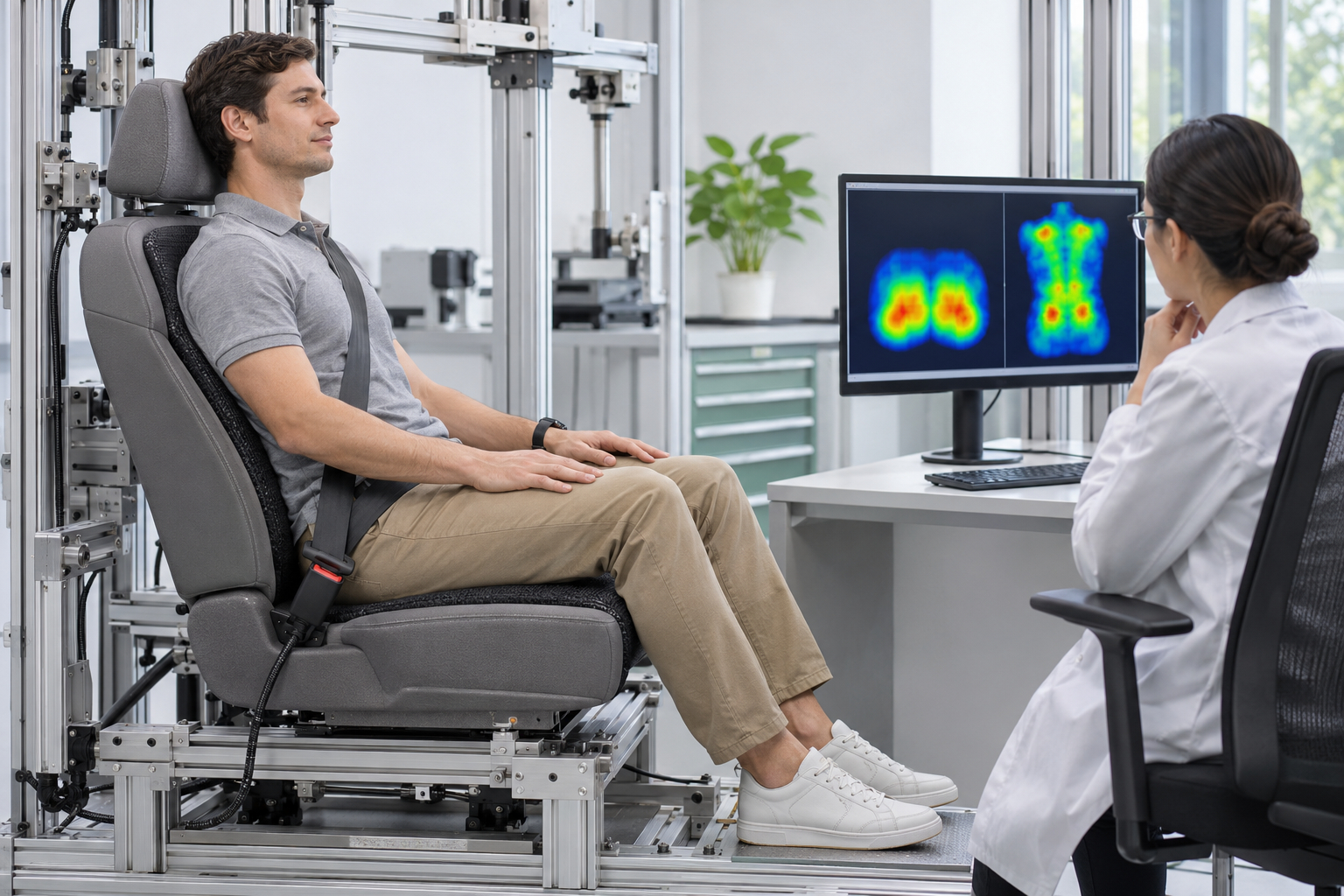
Sitting Posture Recognition and Alerts
Seat and backrest pressure distributions identify occupant presence and sitting posture changes, including poor postures such as off-center sitting and forward leaning. Configured rules trigger posture alerts, supporting posture adjustment, comfort settings and cockpit interaction.
Occupancy detection
Sitting posture recognition
Poor-posture alerts
Adaptive Control
Posture and contact pressure changes provide feedback to seat adjustment, support and massage controllers. Following integration, the data can inform regional support and comfort settings based on the occupant’s measured pressure distribution.
Pressure feedback
Seat integration
Comfort adjustment
Grip Recognition
Flexible modules on steering wheels or grips capture hand position and grip force to identify contact and hands-off states. The data support hands-off detection (HOD), grip gestures and tactile interaction for cockpit alerts and controls.
Hand contact location
Grip force changes
Hands-off detection
Real-Time Signal
Continuous pressure data from seats, backrests and grips show occupant posture and hand contact changes. The output supports cockpit controllers, host software analysis and development tests, enabling comparisons of contact loading across operating conditions.
Real-time capture
Multiple sensing regions
System input
Core Value
Occupant classification and steering-wheel hands-on/off detection coordinate seatbelt reminders, airbags and driver-assistance strategies for comprehensive protection.
Adaptive and personalized adjustment.
Grip gestures and tactile interaction make interaction more natural.
Provides scientific data for cockpit development.
Technical Advantages
Solution advantages
Hidden Integration
Flexible sensors integrate into trim and grips without affecting appearance.
Flexible Wrap
Conforms to the curved surfaces of seats, trim and grips.
Accurate
Anti-interference for stable data.
Application Scenarios
Automotive Seat Development
Seat and backrest pressure across postures and support settings provide data for seat fit design, comfort evaluation and adjustment strategy development.
Driver Assistance System Integration
Steering wheel hand position, grip force and hands-off states provide input for hands-off alerts, state recognition and driver assistance interaction logic.
Driver Monitoring Systems
Posture, small pressure changes and configured algorithms support respiration-related signal and driving-state analysis, providing input for driver status alerts.
Cockpit Interaction Component Development
Flexible sensing layers in grips and trim identify hand position and force changes, providing input for tactile gestures and cockpit interaction design.